
The Rising Threat to Businesses from Deepfake Cyber Scams
Cyber threats are evolving rapidly, but one of the fastest-growing dangers facing UK businesses in 2026 is the rise of deepfake scams.
Powered by artificial intelligence (AI), deepfakes are highly convincing fake videos, voice recordings and images designed to impersonate real people. While deepfake technology was once mostly associated with entertainment and social media, cybercriminals are now using it to target businesses with increasingly sophisticated scams.
For businesses across Scotland and the wider UK, this threat is becoming impossible to ignore.
What Are Deepfake Scams?
Deepfakes use AI to mimic a person’s appearance or voice with alarming accuracy. Criminals can now create fake phone calls, video meetings and voice notes that sound and look like genuine employees, directors or suppliers.
In many cases, attackers use publicly available content from social media, interviews, videos or company websites to clone voices and create realistic impersonations.
These scams are often used to:
- Request urgent bank transfers
- Change supplier payment details
- Gain access to sensitive systems
- Steal login credentials
- Trick employees into sharing confidential information
Unfortunately, many businesses still underestimate how convincing these attacks have become.
Why Businesses Are Increasingly at Risk
Recent reports suggest that 76% of UK organisations have already experienced some form of deepfake-related attack, yet many still feel unprepared to deal with them.
AI has made phishing scams significantly more advanced. Gone are the days when suspicious emails were full of spelling mistakes and poor grammar. Modern AI-generated scams can appear professional, personalised and highly believable.
One of the most well-known examples involved global engineering firm Arup, where attackers reportedly used a deepfake video call impersonating senior staff to convince an employee to transfer millions of pounds.
As the technology becomes cheaper and easier to use, experts warn that these attacks are now taking place “on an industrial scale.”
How to Protect Your Business
The good news is that businesses can significantly reduce their risk by combining cybersecurity technology with clear internal processes and staff awareness.
Some important steps include:
Verify Financial Requests: Always confirm payment requests or banking changes through a second communication method, especially if urgency is involved.
Train Staff Regularly: Employees should understand that voice messages, video calls and emails can now be faked convincingly using AI.
Use Multi-Factor Authentication (MFA): Even if login credentials are stolen, MFA adds another layer of protection.
Limit Public Information: Review how much employee information, videos and contact details are publicly available online.
Invest in Proactive Cybersecurity: Advanced monitoring, email protection and endpoint security solutions can help detect suspicious behaviour before major damage occurs.
Deepfake Threats Will Continue to Grow
The UK government has already identified deepfakes as a major national cybersecurity concern and is working with technology companies to improve detection methods.
However, technology alone will not solve the problem.
Businesses must now assume that seeing or hearing someone online is no longer guaranteed proof of identity. Building strong cybersecurity habits, staff awareness and verification processes is becoming essential for every organisation.
At Forth Tech, we help businesses across the UK strengthen their cybersecurity, improve staff awareness and stay protected against emerging threats like AI-powered scams and deepfake attacks.
Contact our team to find out more.

What Happens If Your Server Fails?
For many businesses, servers are the backbone of day-to-day operations. They store important files, run critical applications and keep employees connected to the information they need. So, when a server fails, the impact can be immediate and costly. Whether caused by hardware failure, software corruption, cyber attacks or power issues, server downtime can bring your business to a standstill. Understanding ...

5 Everyday Tasks AI Can Automate in Your Business
Artificial Intelligence (AI) is no longer reserved for large corporations with dedicated IT departments. Today, businesses of all sizes are discovering how AI can streamline everyday tasks, improve productivity and free employees to focus on more valuable work. The key is understanding where AI can make the biggest impact. Here are five everyday tasks that AI can automate in your ...

How Often Should Businesses Replace Their Computers?
For most businesses, computers should be replaced every three to five years. That does not mean every device suddenly fails at year five, but it is the point where performance, security, reliability and compatibility can start to affect day-to-day productivity. At Forth Tech, we recommend treating computer replacement as a planned IT investment rather than waiting for machines to become ...

5 Password Mistakes Your Employees Are Probably Still Making
Passwords remain one of the simplest ways for cyber criminals to get into business systems. Even with better security tools available, everyday habits can still leave your company exposed. For many small and medium-sized businesses, the biggest risks are not highly technical attacks, but common password mistakes made by busy employees trying to get on with their work. 1. Reusing ...

Thinking of Switching to VoIP? Don’t Make These Mistakes
Moving to a VoIP phone system can be a smart step for any growing business. It can reduce reliance on ageing hardware, support flexible working, improve call management and bring voice, video and collaboration tools together in one place. But a successful switch is not just about choosing a new provider and setting a go-live date. If VoIP is not ...
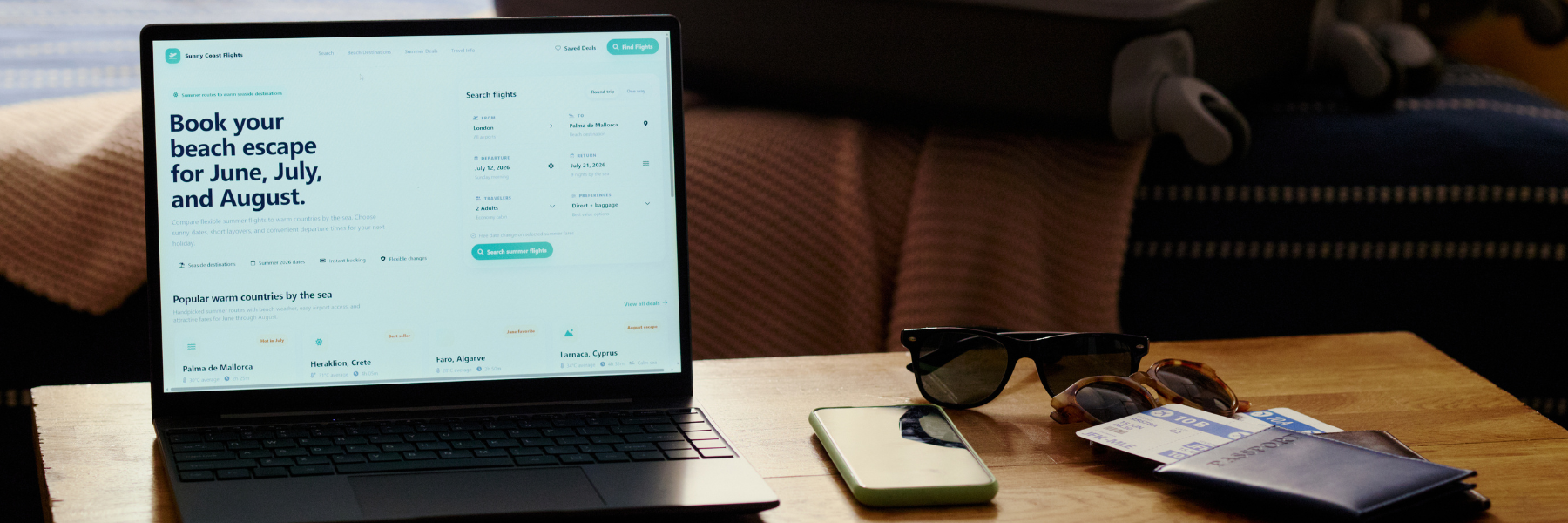
Summer Holiday Phishing Scams are on the Rise
As the summer holiday season gets into full swing, cyber criminals are working just as hard as travel agents, airlines and accommodation providers. Recent research highlights a sharp increase in phishing scams targeting holidaymakers, with attackers launching more travel-related campaigns than ever before. The reason is simple: holidays create the perfect conditions for social engineering. People are booking flights, checking ...