
3 Daily Habits That Put Your Business at Risk (and How to Fix Them)
95% of data breaches are caused by human error.
While cyber threats are becoming more sophisticated, especially with the rise of AI-driven attacks, most breaches still come down to simple, everyday mistakes. It’s not always advanced hacking techniques that cause damage, but the repeated habits that quietly expose your business over time.
There are powerful cybersecurity solutions available today, such as Managed SOCs (Security Operations Centres), EDR (Endpoint Detection and Response), and Domain Filtering, that we strongly recommend. However, cybersecurity isn’t just about technology. It’s about the daily actions your team takes.
Here are three common habits that put your business at risk and some practical ways that you can fix them.
1. Weak or Reused Passwords
The risk
As of 2026, the average person manages between 100–170 passwords (excluding work-related accounts). It’s no surprise that many people reuse passwords or choose simple ones that are easy to remember.
But this convenience comes at a cost. If a cybercriminal gains access to just one password, they will often try it across multiple platforms. If that password has been reused, it can quickly unlock access to sensitive business systems and data.
What seems like a small shortcut can quickly escalate into a major security incident.
The fix
Using a password manager is one of the simplest and most effective solutions. These tools securely store credentials and generate strong, unique passwords for every account.
Most modern devices now include built-in password managers with autofill functionality, making secure access both quick and convenient.
Multi-Factor Authentication (MFA) adds another essential layer of protection. Even if a password is compromised, MFA requires an additional verification step, such as a code sent to a mobile device, that makes it far harder for attackers to gain access.
If a platform offers MFA, it should always be enabled.
2. Clicking on Suspicious Emails
The risk
Phishing remains the number one entry point for cyberattacks. Cybercriminals impersonate trusted organisations or colleagues to trick users into revealing sensitive information or clicking malicious links.
Over the years, we’ve seen countless cases where employees unknowingly shared confidential data, downloaded harmful attachments, or granted access to attackers, all from a single email.
The consequences can be severe: data loss, system downtime, financial damage, and reputational harm that can take years to rebuild.
The fix
The best defence against phishing is awareness. Regular cybersecurity training helps employees recognise red flags such as:
- Spelling and grammatical errors
- Suspicious or unfamiliar links
- Urgent or unusual requests
The more familiar your team becomes with these warning signs, the less likely they are to fall victim.
Email filtering tools also provide an extra layer of protection. These systems analyse incoming messages, quarantine suspicious emails, and flag potentially dangerous attachments or links, stopping threats before they reach your inbox.
3. Poor Device Security (Especially with Remote Work)
The risk
Remote working has transformed how businesses operate, offering flexibility and improved work-life balance. However, it also introduces new security challenges.
Devices are often left unattended in public spaces, unsecured Wi-Fi networks are widely used, and laptops are frequently lost or stolen during travel. Each of these scenarios creates an opportunity for cybercriminals.
It only takes one small mistake to compromise sensitive company data.
The fix
Clear security policies are essential. These should include:
- Mandatory screen locks
- Secure password practices
- Use of Multi-Factor Authentication
- Accessing company systems via secure VPN connections
Endpoint protection is also critical. This ensures devices are monitored and protected wherever they are. If a device is lost or stolen, it can be remotely locked or wiped, preventing unauthorised access to company data.
Cybersecurity starts with simple, consistent actions
The reality is that most cyber incidents don’t happen because businesses lack the right technology. They happen because of small, repeated habits that go unchecked. Weak passwords, careless clicks, and unsecured devices may seem harmless in isolation, but together they create significant vulnerabilities.
The good news is that these risks are preventable.
By combining the right tools, such as password managers, MFA, email filtering, and endpoint protection, with regular staff training and clear security policies, businesses can dramatically reduce their exposure to cyber threats.
At Forth Tech, we believe that strong cybersecurity starts with simple, consistent actions. Fix the habits, support your team, and you’ll build a far more resilient business in the process.
To find out how we can support a safer, more secure working culture at your company, contact our team.

What Happens If Your Server Fails?
For many businesses, servers are the backbone of day-to-day operations. They store important files, run critical applications and keep employees connected to the information they need. So, when a server fails, the impact can be immediate and costly. Whether caused by hardware failure, software corruption, cyber attacks or power issues, server downtime can bring your business to a standstill. Understanding ...

5 Everyday Tasks AI Can Automate in Your Business
Artificial Intelligence (AI) is no longer reserved for large corporations with dedicated IT departments. Today, businesses of all sizes are discovering how AI can streamline everyday tasks, improve productivity and free employees to focus on more valuable work. The key is understanding where AI can make the biggest impact. Here are five everyday tasks that AI can automate in your ...

How Often Should Businesses Replace Their Computers?
For most businesses, computers should be replaced every three to five years. That does not mean every device suddenly fails at year five, but it is the point where performance, security, reliability and compatibility can start to affect day-to-day productivity. At Forth Tech, we recommend treating computer replacement as a planned IT investment rather than waiting for machines to become ...

5 Password Mistakes Your Employees Are Probably Still Making
Passwords remain one of the simplest ways for cyber criminals to get into business systems. Even with better security tools available, everyday habits can still leave your company exposed. For many small and medium-sized businesses, the biggest risks are not highly technical attacks, but common password mistakes made by busy employees trying to get on with their work. 1. Reusing ...

Thinking of Switching to VoIP? Don’t Make These Mistakes
Moving to a VoIP phone system can be a smart step for any growing business. It can reduce reliance on ageing hardware, support flexible working, improve call management and bring voice, video and collaboration tools together in one place. But a successful switch is not just about choosing a new provider and setting a go-live date. If VoIP is not ...
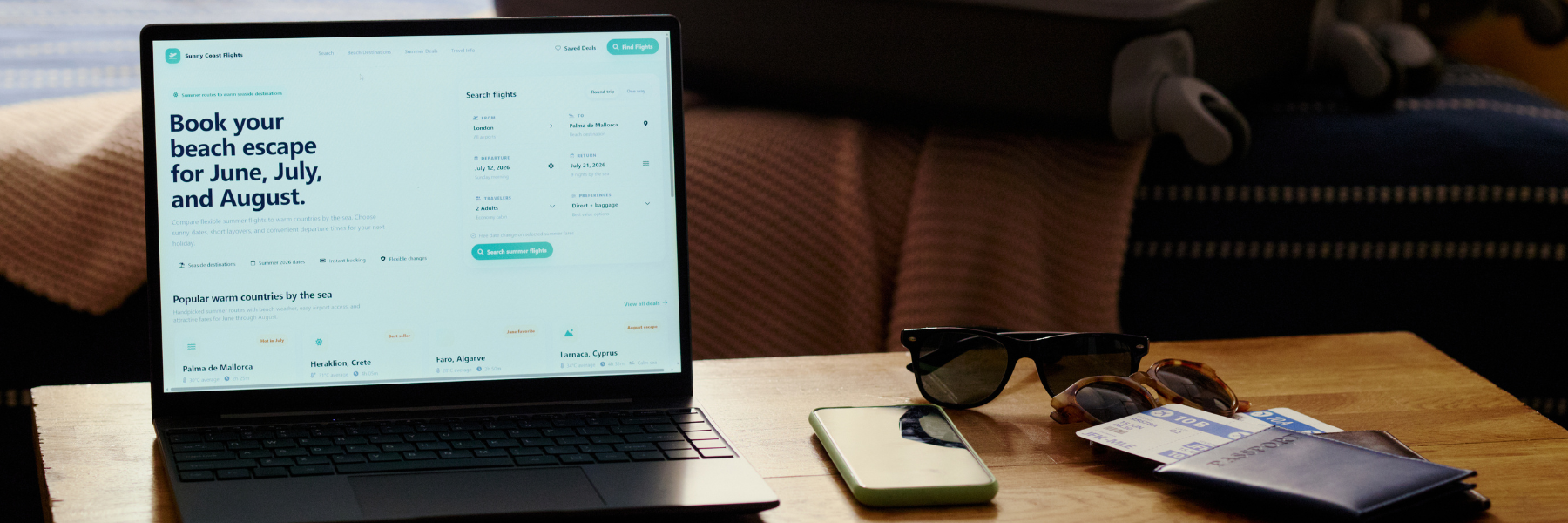
Summer Holiday Phishing Scams are on the Rise
As the summer holiday season gets into full swing, cyber criminals are working just as hard as travel agents, airlines and accommodation providers. Recent research highlights a sharp increase in phishing scams targeting holidaymakers, with attackers launching more travel-related campaigns than ever before. The reason is simple: holidays create the perfect conditions for social engineering. People are booking flights, checking ...