
How Often Should Businesses Replace Their Computers?
For most businesses, computers should be replaced every three to five years. That does not mean every device suddenly fails at year five, but it is the point where performance, security, reliability and compatibility can start to affect day-to-day productivity.
At Forth Tech, we recommend treating computer replacement as a planned IT investment rather than waiting for machines to become unusable.
The average lifespan depends on the type of device and how it is used. Business laptops often work hardest because they are moved between desks, meetings and home offices, so three to four years is a sensible refresh point.
Desktop PCs can sometimes last longer, especially if they are well maintained, but after five years they may struggle with modern software, security requirements and heavier workloads.
There are several warning signs that a computer is approaching the end of its useful life. Slow start-up times, frequent crashes, overheating, noisy fans, failing batteries, repeated support tickets and difficulty running everyday applications all suggest the device is costing more than it appears. If staff are regularly waiting for systems to respond, restarting machines or finding workarounds, the real issue is no longer just hardware age, it is lost time.
This is where cost versus productivity matters. Holding onto old computers can feel like saving money, but slow equipment can reduce efficiency across the whole business. A device that wastes even a few minutes per user each day can quickly become more expensive than a planned replacement. Older machines may also need more repairs, suffer more downtime and fall outside warranty cover, creating avoidable disruption.
Windows compatibility is now an important factor too. Windows 10 reached end of support on 14 October 2025, which means businesses still using unsupported devices should review whether they can safely move to Windows 11 or need replacement hardware. Some older PCs do not meet the requirements for Windows 11, leaving them exposed to security and compliance risks if they remain in use.
The best approach is to create a rolling replacement plan. By auditing devices, checking warranty status, assessing performance and reviewing Windows 11 compatibility, businesses can spread costs and avoid last-minute emergencies.
Forth Tech can help you understand which computers are still fit for purpose, which can be upgraded, and which should be replaced before they affect productivity or security. Contact our team today, to find out more.

What Happens If Your Server Fails?
For many businesses, servers are the backbone of day-to-day operations. They store important files, run critical applications and keep employees connected to the information they need. So, when a server fails, the impact can be immediate and costly. Whether caused by hardware failure, software corruption, cyber attacks or power issues, server downtime can bring your business to a standstill. Understanding ...

5 Everyday Tasks AI Can Automate in Your Business
Artificial Intelligence (AI) is no longer reserved for large corporations with dedicated IT departments. Today, businesses of all sizes are discovering how AI can streamline everyday tasks, improve productivity and free employees to focus on more valuable work. The key is understanding where AI can make the biggest impact. Here are five everyday tasks that AI can automate in your ...
How Often Should Businesses Replace Their Computers?
For most businesses, computers should be replaced every three to five years. That does not mean every device suddenly fails at year five, but it is the point where performance, security, reliability and compatibility can start to affect day-to-day productivity. At Forth Tech, we recommend treating computer replacement as a planned IT investment rather than waiting for machines to become ...

5 Password Mistakes Your Employees Are Probably Still Making
Passwords remain one of the simplest ways for cyber criminals to get into business systems. Even with better security tools available, everyday habits can still leave your company exposed. For many small and medium-sized businesses, the biggest risks are not highly technical attacks, but common password mistakes made by busy employees trying to get on with their work. 1. Reusing ...

Thinking of Switching to VoIP? Don’t Make These Mistakes
Moving to a VoIP phone system can be a smart step for any growing business. It can reduce reliance on ageing hardware, support flexible working, improve call management and bring voice, video and collaboration tools together in one place. But a successful switch is not just about choosing a new provider and setting a go-live date. If VoIP is not ...
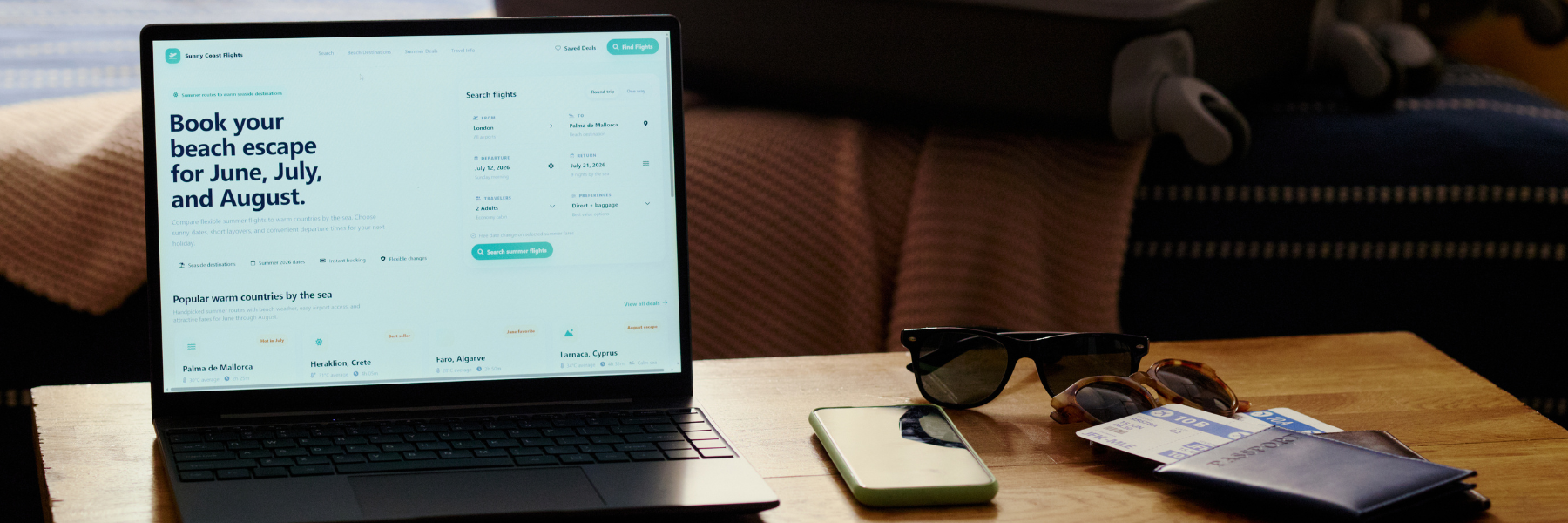
Summer Holiday Phishing Scams are on the Rise
As the summer holiday season gets into full swing, cyber criminals are working just as hard as travel agents, airlines and accommodation providers. Recent research highlights a sharp increase in phishing scams targeting holidaymakers, with attackers launching more travel-related campaigns than ever before. The reason is simple: holidays create the perfect conditions for social engineering. People are booking flights, checking ...